
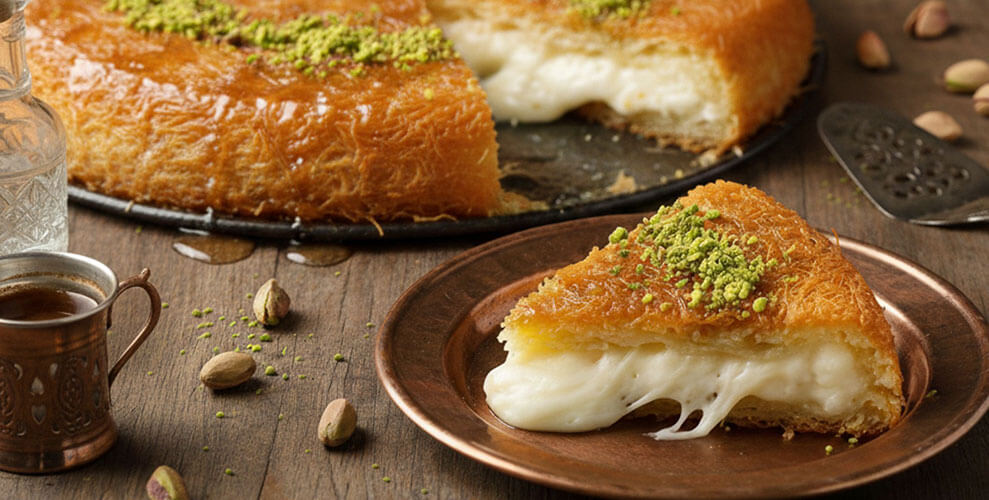
Kunafa sweet is one of the most beloved desserts in the Middle East, gaining popularity worldwide for its unique texture, rich flavor, and delightful presentation. Known for its crispy golden strands and creamy filling, the sweet offers a perfect balance of crunch and sweetness that appeals to all dessert lovers.
Many people often ask, what is kunafa? In simple terms, it is a traditional dessert made with thin noodle-like pastry or semolina dough, layered with cream or cheese, and soaked in fragrant sugar syrup. Its preparation is intricate, but the result is an indulgent treat that reflects centuries of culinary tradition.
The History of Kunafa
The origins of kunafa sweet trace back to the Middle East, particularly in regions such as Palestine, Lebanon, and Turkey. Historical records suggest that the dessert was first enjoyed by royal households and later became popular across cities as a celebratory dessert. Over time, it spread across the Arab world, each region adding its unique twist.
In Pakistan and other South Asian countries, kunafa has gained attention due to its delicate texture and versatility. Premium dessert shops now serve it alongside other traditional sweets, bringing Middle Eastern flavors to local consumers. Its growing popularity shows how culinary traditions adapt and evolve across cultures.
Key Ingredients of Kunafa
Many dessert enthusiasts wonder, what is kunafa sweet made of? The main ingredients include:
1. Kunafa pastry or kataifi noodles:
These thin strands form the base and top layer of the dessert, providing crispiness when baked.
2. Cheese or cream filling:
Depending on the variation, it can be filled with sweet cheese, clotted cream, or nut pastes.
3. Sugar syrup:
Flavored with rosewater or orange blossom, this syrup adds sweetness and aroma, enhancing the dessert’s appeal.
4. Nuts and toppings:
Pistachios, almonds, or walnuts are often sprinkled on top for garnish and extra flavor.
The careful combination of these ingredients creates the signature texture and taste of kunafa, making it a must-try for anyone exploring Middle Eastern desserts.
Kunafa Dessert Variations
Kunafa dessert comes in several variations, allowing dessert lovers to choose according to their taste preferences. Some of the most popular types include:
1. Cheese Kunafa:
This traditional version uses soft cheese as the filling, offering a creamy texture that contrasts perfectly with the crispy pastry.
2. Cream Kunafa:
Made with clotted cream or custard, this variation is lighter in flavor but equally indulgent.
3. Chocolate Kunafa:
A modern twist, chocolate is added to the filling or layered within the pastry, combining classic texture with rich cocoa flavor.
4. Nut Kunafa:
Incorporates pistachios, almonds, or cashews inside or on top, giving it a crunchy dimension.
Each type has its own appeal and allows dessert enthusiasts to experience different textures and tastes while enjoying it.
Is Kunafa a Type of Baklava?
A common question among dessert lovers is, is kunafa a type of baklava? While both are Middle Eastern desserts, they are distinct in preparation and texture.
Baklava is made with layers of phyllo dough, nuts, and syrup, whereas kunafa features shredded pastry or semolina topped with cream or cheese. The similarities lie in their sweetness and syrup-soaked nature, but they remain separate desserts, each with a unique identity.
How Kunafa Sweet Is Made
Preparing the sweet requires attention to detail. The basic steps are:
1. Preparing the pastry:
Kunafa noodles or semolina dough are lightly toasted in butter or ghee to achieve crispiness.
2. Layering the filling:
Cheese, cream, or nut paste is spread evenly between pastry layers.
3. Baking:
The layered dessert is baked until the top becomes golden and crispy.
4. Adding syrup:
Sweet sugar syrup infused with rosewater or orange blossom is poured over hot kunafa to soak in and enhance flavor.
5. Garnishing:
Nuts or edible decorations are sprinkled on top before serving.
These steps create the signature combination of crunchy exterior and soft, creamy interior that defines kunafa.
Serving and Enjoying Kunafa
Kunafa is best enjoyed fresh from the oven when the pastry is crisp and the filling is warm. It is a popular dessert for celebrations, family gatherings, and festive occasions. In Pakistan, many premium bakeries offer freshly baked ones for special orders, often including options like chocolate flavor for modern tastes.
Pairing it with tea or coffee enhances its flavors, making it a perfect accompaniment to afternoon or evening indulgences. Its visual appeal also makes it ideal for gifting or special events.
Cultural Importance of Kunafa Sweet
Kunafa sweet holds deep cultural meaning in Middle Eastern traditions. Families often prepare it during Ramadan evenings, weddings, and large celebrations where desserts symbolize togetherness and hospitality.
Serving this dessert to guests represents warmth, respect, and generosity. This emotional value makes the dessert more than just a treat; it becomes part of social bonding and tradition.
The strong cultural connection has helped it remain popular across generations and regions, even as modern dessert trends continue to evolve.
Kunafa Sweet in Modern Food Culture
In recent years, kunafa sweet has gained massive attention through social media and food platforms. Its golden color, creamy layers, and vibrant nut toppings make it visually appealing and highly shareable.
Food bloggers and dessert creators frequently showcase different styles of kunafa dessert, introducing it to people who may not be familiar with Middle Eastern cuisine. This exposure has increased curiosity and demand, turning it into a globally recognized dessert choice.
First-Time Experience With Kunafa
Many people exploring Middle Eastern sweets start by asking what is kunafa because it looks different from typical pastries. The first bite often leaves a lasting impression due to the balance between crisp texture and smooth filling.
This experience encourages customers to explore more kunafa dessert variations, including chocolate-filled versions and nut-based options, expanding their dessert preferences.
Kunafa Sweet in Dessert Platters
Kunafa sweet pairs beautifully with other desserts when served on mixed dessert platters. When combined with baklava or traditional sweets, it adds diversity in both texture and flavor. While baklava emphasizes layered crunch and nut richness, kunafa focuses on creaminess and softness, creating a balanced dessert experience that appeals to a wide range of preferences.
Kunafa Sweet in Pakistan’s Dessert Culture
In Pakistan, the growing demand for kunafa dessert reflects how international sweets integrate naturally into local preferences. Dessert lovers enjoy it alongside traditional options like mix mithai, creating a blend of cultural flavors. This fusion shows how the dessert of Pakistan continues to expand by embracing global influences while preserving traditional sweetness.
Furthermore..
Kunafa sweet is a delightful blend of crispy pastry, creamy filling, and fragrant syrup, making it one of the most celebrated Middle Eastern desserts. Understanding what is it is, the ingredients, variations, and preparation process allows dessert lovers to appreciate its craftsmanship and cultural significance.
If you want to enjoy the traditional cheesy one , try the chocolate flavour, or explore other modern variations, this dessert offers a rich sensory experience. While it shares some similarities with baklava, it remains distinct and special, securing its place as a top dessert choice across regions.
Exploring the sweet allows enthusiasts to indulge in a centuries-old tradition that combines flavor, texture, and presentation in every bite.