
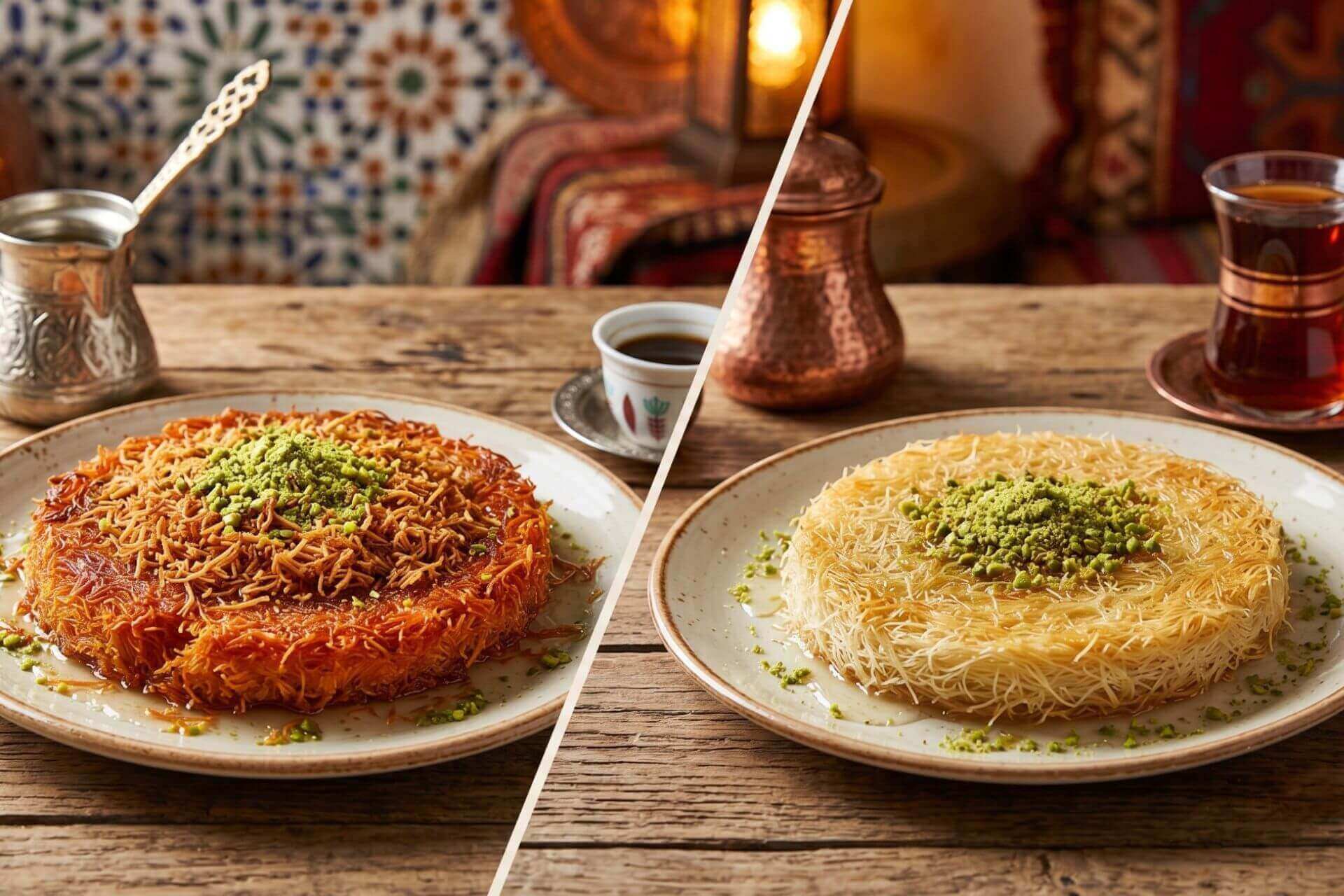
Few treats spark as much curiosity as Arabic kunafa. With its rich texture, golden layers, and irresistible flavor, it has become a favorite across many cultures. However, many people are unaware of the differences between Arabic and Turkish styles. While they may look similar at first glance, the details set them apart in fascinating ways.
Understanding these differences not only helps you appreciate the dish more but also makes it easier to choose the right style for your taste. From preparation techniques to texture and presentation, each version offers something unique.
What Is Kunafa?
Before diving into comparisons, it’s important to understand what kunafa is. It is a layered sweet made using fine pastry strands or semolina dough, typically baked until golden and finished with syrup. The result is a balance of crispness and softness that makes it incredibly satisfying.
This treat is widely enjoyed across the Middle East and nearby regions. Over time, different cultures have adapted it, leading to variations in texture, flavor, and presentation. That’s where the distinction between Arabic and Turkish styles begins, and where our love for this dessert at Baklava Palace truly comes alive.
Is Kunafa Turkish or Arab?
A common question people ask is: Is Kunafa Turkish or Arab? The answer is both simple and complex. The origins are rooted in Arab culinary traditions, where it has been prepared for centuries.
However, as the recipe spread geographically, Turkey developed its own version with distinct characteristics. So while the dish is historically Arab, Turkish cuisine has embraced and redefined it in its own way. This shared heritage is something we deeply respect and find endlessly inspiring.
Arabic Kunafa: Rich, Layered, and Traditional
Arabic kunafa is known for its soft interior and slightly crisp top layer. It often uses fine pastry strands that create a delicate yet rich texture. The layers are carefully arranged to achieve a balance between softness and crunch.
Additionally, Arabic kunafa is often associated with generous syrup soaking, which enhances sweetness and moisture. This creates a more indulgent experience, making it a popular choice for celebrations and gatherings.
Another defining feature is its versatility. Different regions within the Arab world prepare it in slightly different ways, but the focus on layered richness remains consistent.
Turkish Kunafa: Crisp and Structured
Turkish-style preparation, often referred to as künefe, takes a slightly different approach. It focuses more on achieving an even, crispy texture throughout. Instead of emphasizing softness, this version highlights crunch and structure.
Compared to Arabic kunafa, the Turkish variation is usually less soaked in syrup. This allows the natural crispness of the pastry to stand out more. As a result, each bite feels lighter and less dense.
Presentation also plays a role. Turkish servings are often neatly shaped and served hot, enhancing the overall experience.
Key Differences Between Arabic and Turkish Styles
Texture
One of the most noticeable differences lies in texture. Arabic kunafa leans toward a softer, more layered feel, while the Turkish version emphasizes crispness. This difference alone can influence personal preference.
Sweetness Level
Arabic preparations tend to be sweeter due to the generous use of syrup. In contrast, Turkish versions are more balanced, allowing the pastry’s natural flavor to come through.
Structure and Shape
Turkish servings are often more compact and structured. Meanwhile, Arabic kunafa can appear more layered and slightly softer in form.
Serving Style
Arabic versions are commonly served in larger trays for sharing, making them ideal for gatherings. Turkish portions are usually smaller and individually served, focusing on presentation.
What Is the Best Type of Kunafa?
When people ask what the best type of kunafa is, the answer depends entirely on personal preference. There’s no single “best” option because both styles offer distinct experiences.
If you enjoy:
- Softer textures and richer sweetness, you may prefer Arabic-style.
- Crispier textures and balanced flavor, Turkish-style might suit you better.
Ultimately, trying both is the best way to decide. Each version highlights different aspects of this beloved treat, and we at Baklava Palace are passionate about helping you explore every one of them.
The Appeal of Layered Pastry Creations
Part of what makes this dish so popular is its layered structure. Similar to other layered pastry desserts, it combines textures in a way that feels satisfying and indulgent.
Moreover, the contrast between crisp and soft elements creates a dynamic eating experience. This is why it continues to stand out among other sweets across cultures.
Cultural Significance and Popularity
Both Arabic and Turkish styles carry cultural importance. In many regions, this dish is associated with celebrations, gatherings, and hospitality. Serving it often reflects generosity and tradition.
Additionally, its popularity has grown globally. People from different backgrounds now enjoy it, often exploring both variations to understand the differences. At Baklava Palace, we love being part of that journey of discovery for our customers.
Choosing the Right Style for You
When deciding between the two, consider the occasion and your personal taste.
- For festive gatherings, Arabic-style works well due to its rich and shareable nature.
- For a lighter, more structured serving, Turkish-style is a great choice.
Understanding these differences helps you make a more informed decision when ordering or trying something new.
Why This Comparison Matters
Knowing the difference between these styles enhances your appreciation of the dish. Instead of seeing it as one single item, you begin to notice the craftsmanship behind each variation.
Moreover, it allows you to explore flavors more intentionally. Whether you’re trying it for the first time or already a fan, this knowledge adds depth to your experience, and sharing it with you is something we genuinely enjoy doing at Baklava Palace.
Final Thoughts
Arabic kunafa and its Turkish counterpart may share a common origin, but they offer two distinct experiences. From texture and sweetness to presentation and serving style, each version has its own identity.
By understanding what kunafa is, exploring layered pastry desserts, and answering questions like Is Kunafa Turkish or Arab?, you gain a deeper appreciation for this iconic treat.
In the end, the choice comes down to your personal preference. Whether you prefer the rich, soft layers of Arabic-style or the crisp structure of Turkish-style, both are worth trying.