
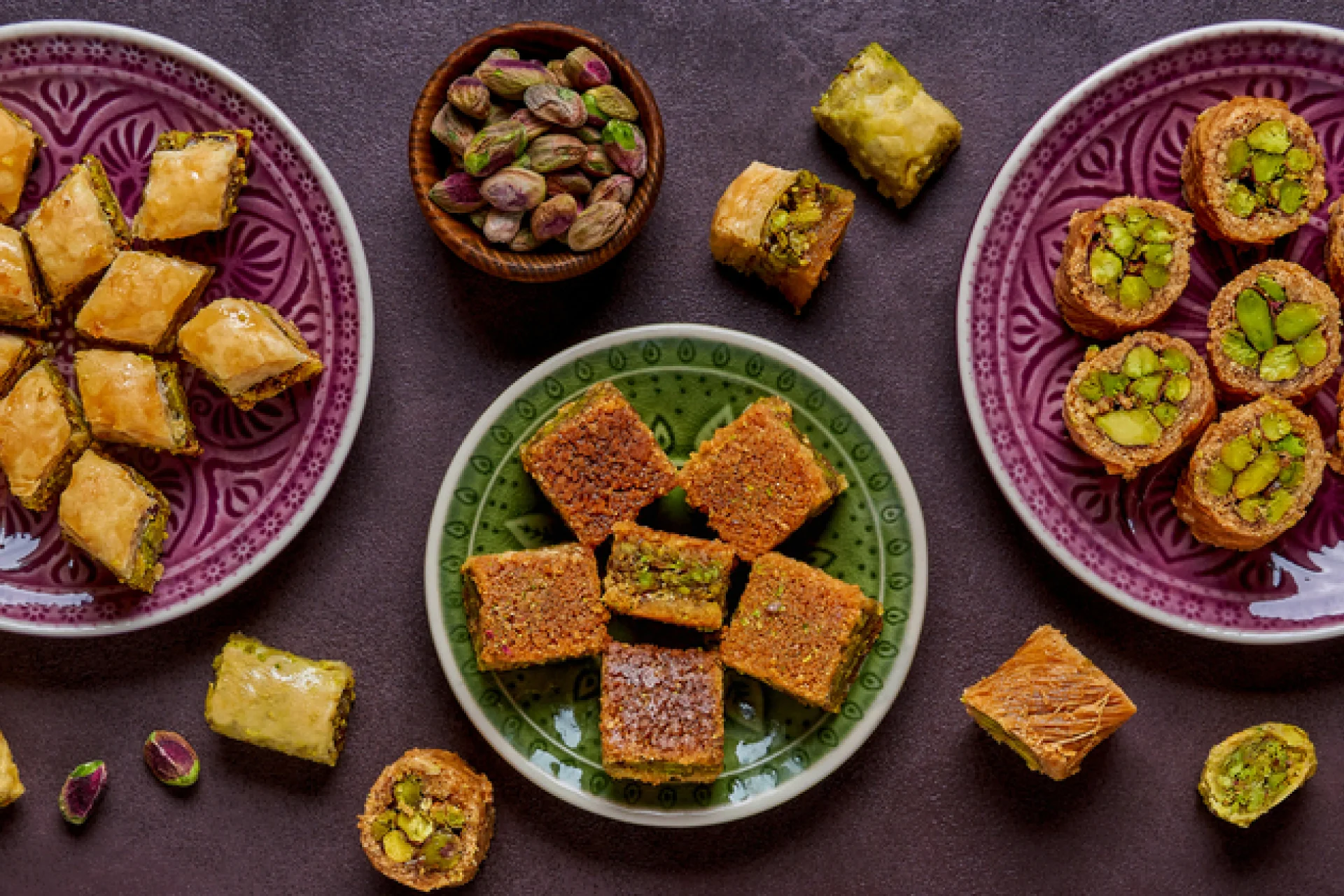
Some foods do more than satisfy cravings; they carry stories, memories, and traditions that travel through time. Traditional sweets are exactly that. They remind people of celebrations, childhood moments, and family gatherings that feel warm and familiar, no matter where you are in the world.
Every culture has its own way of celebrating through food, and sweet treats often take center stage. Moreover, these recipes are rarely just about taste. They represent identity, history, and connection. Because of this, traditional sweets continue to hold their value even as modern desserts evolve and trends change.
Traditional Desserts Around the World
Travel across continents, and you’ll notice how traditional desserts around the world reflect local ingredients, climate, and culture. Each region develops its own unique style, yet the purpose remains the same: to celebrate and share joy.
In many parts of Asia, desserts are often associated with festivals and religious occasions. Meanwhile, European treats frequently highlight baking techniques passed down for generations. Middle Eastern sweets are known for their layered textures and rich flavors, while traditional Turkish desserts demonstrate how regional ingredients and techniques can produce distinctive results.
What makes traditional desserts around the world so fascinating is their diversity. Despite differences in taste and preparation, they all share one thing in common: a deep connection to culture and community.
Cultural Sweets Traditions
Food traditions shape how people celebrate life’s most important moments. Cultural sweets traditions play a central role in weddings, festivals, and family gatherings. These are the dishes that people expect to see, and their absence would feel incomplete.
Moreover, many families follow specific rituals when preparing these treats. Recipes are often passed down verbally, with each generation adding its own touch. This makes cultural sweets traditions feel personal and meaningful rather than just routine.
Additionally, preparing these sweets together strengthens bonds. It becomes more than cooking; it becomes a shared experience filled with laughter, stories, and connection.
Famous Traditional Sweets
Across the globe, certain treats have gained recognition for their timeless appeal. These famous traditional sweets often become symbols of their cultures and are instantly recognizable.
For example:
- Baklava from the Middle East is known for its layered elegance
- Gulab jamun and other South Asian sweets, loved for their comforting flavors and textures
- Mochi from Japan is appreciated for its unique consistency
- Cannoli from Italy, celebrated for its rich filling
These famous traditional sweets continue to win hearts because they combine history with flavor. Moreover, they remain relevant even in modern settings, often appearing in both traditional and contemporary presentations.
Heritage Desserts Recipes
One of the most beautiful aspects of traditional sweets is how recipes are preserved. Heritage dessert recipes are often treated like family treasures. They are written in old notebooks, remembered through practice, or shared during special occasions.
These recipes reflect patience and care. Unlike quick modern alternatives, many heritage recipes require time and attention. However, that effort is part of what makes them special.
Additionally, heritage dessert recipes allow people to reconnect with their roots. Preparing them brings back memories and keeps traditions alive for future generations.
Classic Desserts Worldwide
Some desserts have stood the test of time and continue to be loved everywhere. These classic desserts worldwide represent the best of traditional cooking and remain favorites across different cultures.
They are often:
- Simple yet rich in flavor
- Familiar yet comforting
- Traditional yet adaptable
Because of their universal appeal, classic desserts worldwide easily cross cultural boundaries. People from different backgrounds enjoy them, even if they were not originally part of their own traditions.
Why Traditional Sweets Still Matter Today
In a world filled with fast food and quick recipes, traditional sweets offer something different: a sense of authenticity. They remind people to slow down and appreciate the process of creating something meaningful.
Moreover, these treats provide a connection to history. They tell stories about how people lived, celebrated, and shared moments. This emotional value is something modern desserts often lack.
Additionally, many people now seek out traditional options for special occasions. They want their celebrations to feel rooted and meaningful rather than generic. Because of this, traditional sweets continue to remain relevant.
A Blend of Tradition and Modern Influence
While tradition remains important, many desserts today combine old recipes with modern presentation. This balance keeps them exciting while preserving their essence.
For example:
- Traditional flavors presented in bite-sized forms
- Classic recipes served with modern plating styles
- Cultural sweets adapted for contemporary tastes
- Traditional baklava transformed into chocolate baklava
This approach ensures that traditional sweets evolve without losing their identity. As a result, they appeal to both older generations and younger audiences.
The Emotional Connection Behind Every Bite
One of the strongest reasons why traditional sweets remain popular is the emotional connection they create. A single bite can bring back memories of childhood, family, and celebrations.
Moreover, these treats often mark important milestones, weddings, festivals, and gatherings. Because of this, they become part of life’s most meaningful moments.
Sharing these sweets also strengthens relationships. Offering something traditional shows care, respect, and appreciation. Therefore, they hold a deeper significance beyond just taste.
Keeping Traditions Alive
Preserving traditional sweets requires effort, especially in a fast-changing world. However, small actions can make a big difference.
For example:
- Learning recipes from older family members
- Preparing traditional treats during celebrations
- Sharing cultural dishes with others
These steps ensure that traditions continue to thrive. Additionally, they help future generations understand and appreciate their cultural heritage.
In Conclusion,
Traditional sweets are more than just desserts; they are a reflection of culture, history, and shared experiences. From traditional desserts around the world to famous traditional sweets, each treat carries a story worth remembering.
Through cultural sweets traditions and heritage dessert recipes, these dishes continue to connect generations. Meanwhile, classic desserts worldwide show how timeless and adaptable these creations can be.
In every culture, these sweets bring people together, create lasting memories, and add meaning to celebrations. Keeping them alive ensures that future generations can enjoy not just the flavors but the stories behind them.